
A hydraulic winch needs a cooler for the same reason a truck towing heavy needs a bigger transmission cooler. Sustained, heavy work makes more heat than the system can shed on its own. Rick found this out the hard way: he ran his own hydraulic winches hard enough, long enough, that he had to bolt a dedicated cooler onto the PTO system just to keep them working. That fix solves a real problem. Push a hydraulic system hard enough and you'll have the same one. Below is how to think about it before overheating becomes yours too.
- Rick added a hydraulic cooler to his PTO system after his own hydraulic winches started overheating from overuse.
- Hydraulic winches draw power through a PTO (power take off), and heavy, repeated pulls push fluid temperature up with nowhere to go on their own.
- Hydraulic hoses, fittings, and seals are rated for a specific pressure and heat range. Push past it and the failure risk is real, not theoretical.
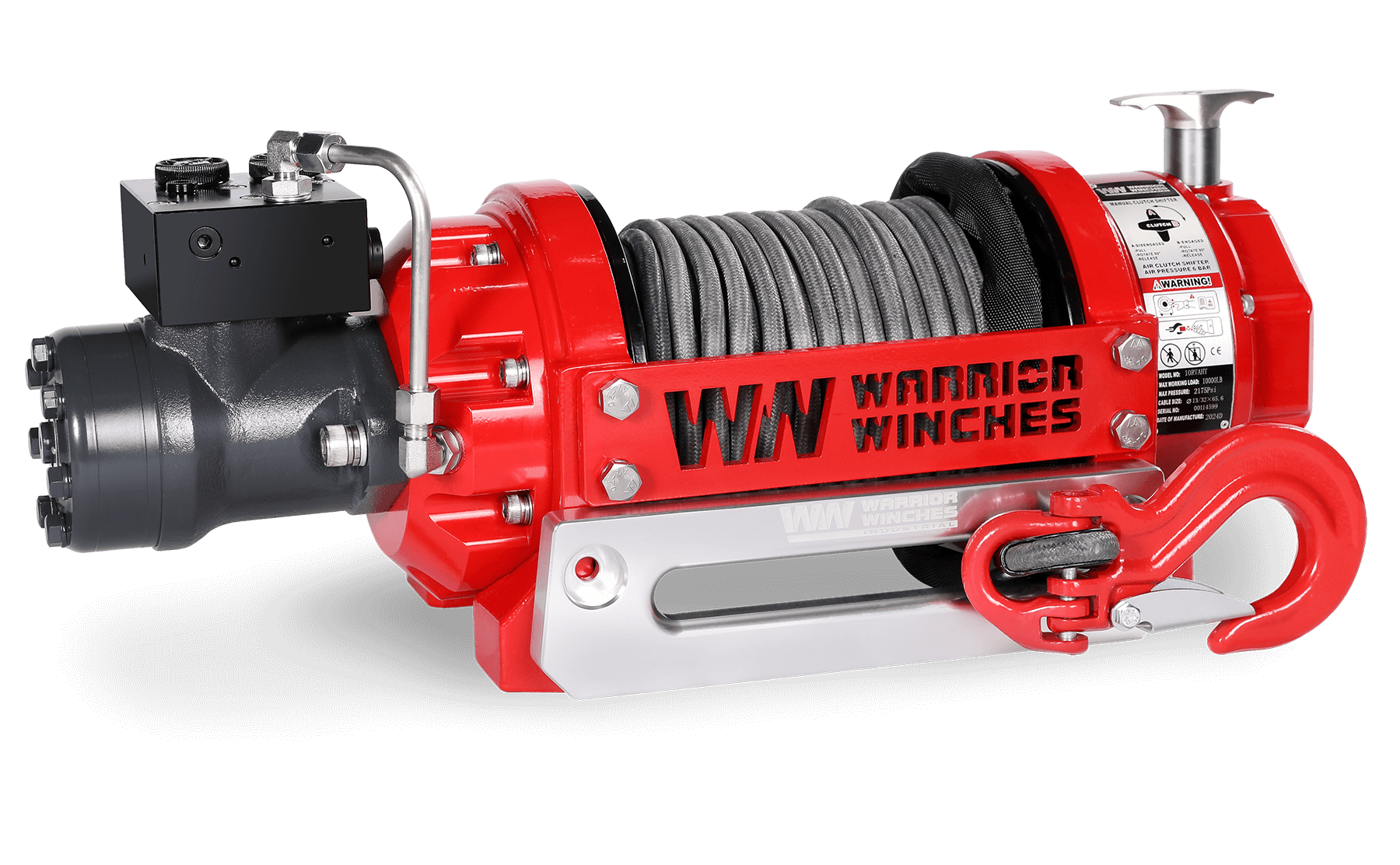
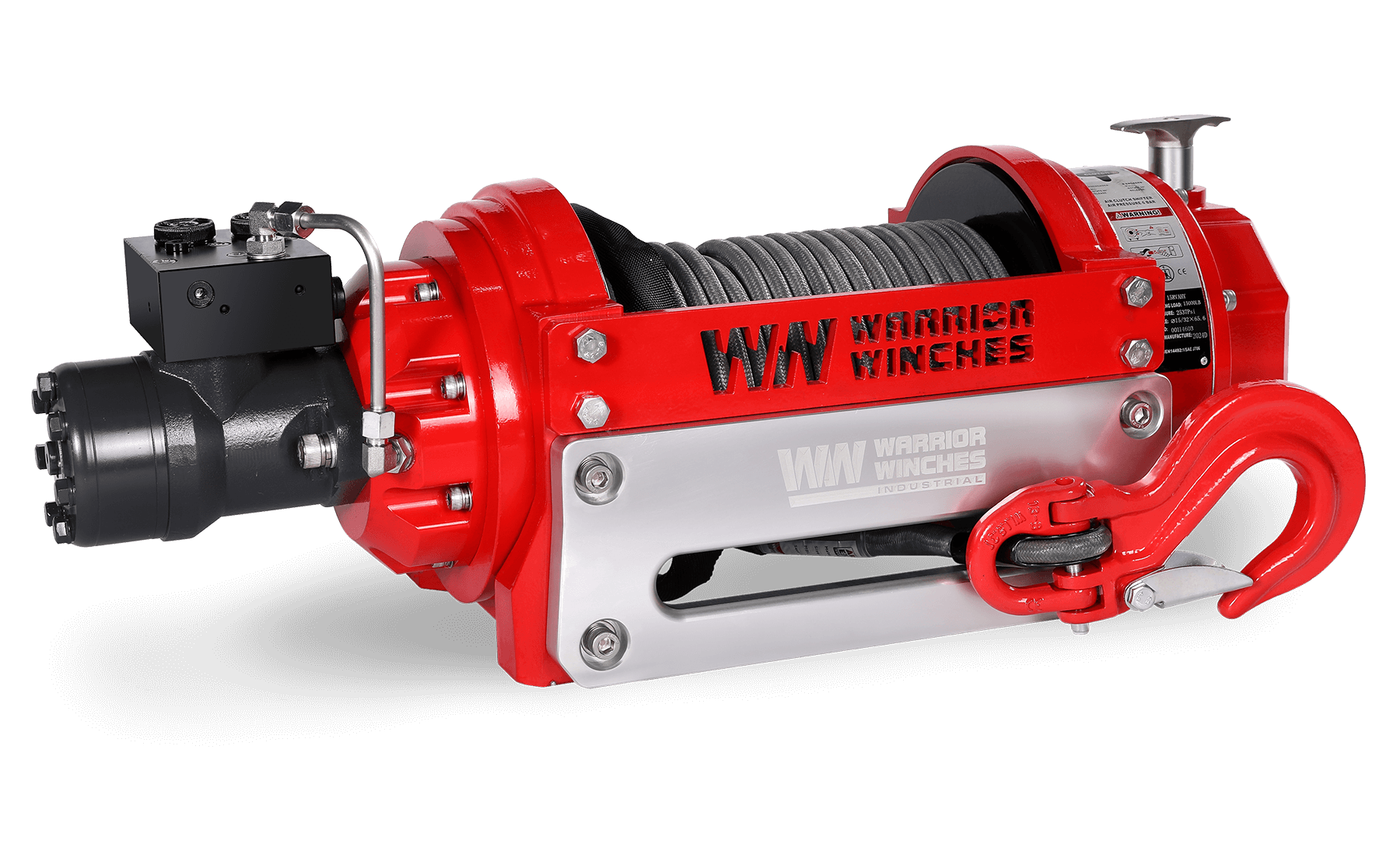
- Murphy's RV10 (10,000 lb) and RV15 (15,000 lb) are both industrial 12-volt hydraulic winches, and Murphy's own product pages say this class of winch runs regularly on Rick's own truck.
- Never stand closer than 1.5 to 2 times a winch line's length while it's under load.
- Not confirmed: whether Rick's exact winches in this episode are these specific SKUs. What's confirmed is the class of hardware and the lesson behind the fix.
1. The job that cooked the winches
Rick opens this one gearing up for what he calls the biggest event of the year. Matt's Off-Road, a whole lineup of rigs headed out. The episode's own title says it plainly: Rick took on the world's largest 6x6, working alongside Matt's Off Road Recovery. Somewhere in that stretch of hard, repeated pulls, his own hydraulic winches started running hotter than he wanted. You'll see why that matters in a second.
2. Why a hydraulic winch needs a cooler at all
A hydraulic winch doesn't run on a truck's 12-volt electrical system the way most consumer winches do. It runs off the PTO instead. That's a mechanical power take off. It draws directly from the engine or transmission to drive a hydraulic pump. The pump pressurizes fluid. That pressurized fluid is what turns the drum for you, start to finish.
Every bit of that work makes heat, every single time. Run it briefly and it sheds that heat fine. No problem. Run it hard, though, one long pull or several back to back, and fluid temperature just keeps climbing with nowhere for you to send it. That's the exact problem Rick ran into.
3. What Rick actually did
Notice what he doesn't reach for: a bigger winch. He goes straight at the actual problem instead, the heat.
"We also installed a hydraulic cooler for the PTO system because the winches were getting a little hot when I was overworking them."Wrecker Rick, "I Destroyed The Worlds Largest 6x6 Thanks To Matt's Off Road Recovery"
That's about as plain as a fix gets: a dedicated cooler, added specifically because repeated, heavy use pushed fluid temperature higher than the system could shed on its own. Same logic as bolting an aftermarket transmission cooler onto a truck that tows heavy, often. The factory setup handles normal use just fine. Sustained hard use? That's a different case, and it calls for different hardware.
4. The real risk of an overheated hydraulic system
Hydraulic hoses, fittings, and seals are rated for a specific range of pressure and temperature, not an unlimited one. An OSHA hazard bulletin makes that extremely clear. It's about a hydraulic system that wasn't upgraded to match a pressure increase. Stark stuff. Here's what happens at the extreme end of running equipment outside its rating: "When hydraulic fluid is accidentally discharged under high pressure an easily ignited fine oil mist is sprayed over the surrounding area. When the mist reaches an ignition source the result can be a torch-like ball of fire."[2] That's an unbelievable failure mode for something that starts out as "the winch is running a little warm."
That bulletin's about pressure, not heat. The underlying point carries straight over to you anyway, whatever's pushing your own system past its rating. Hydraulic parts are built to a spec. That's just true across the board. Run a system outside that spec, whether by pressure, by heat, or both, and that's exactly how hoses and fittings fail. OSHA's own guidance on the fix is direct: "Modifications to a higher pressure should always be approved by a competent engineer or the manufacturer."[2] Nice parallel, actually. A cooler solves the same underlying problem for heat that a pressure review solves for pressure. Keep the operating condition inside what the hardware's actually rated for. Don't just hope it holds.
5. RV10 vs. RV15: sizing a hydraulic winch for repeat pulls
Murphy's sells two industrial hydraulic winches, and sizing the right one for you starts with the same question Rick's overheating problem raises: how much repeat, sustained work is this thing actually going to see?
| RV10 | RV15 | |
|---|---|---|
| Rated line pull | 10,000 lb (4.5 ton) | 15,000 lb (6.8 ton) |
| Price | $2,499.99 | $3,099.99 |
| Drum to rope ratio | 10:1, per the product page | 10:1, per the product page |
| Best for | Standard hydraulic setups doing normal duty | Heavier trucks, or repeat pulls where more margin matters |
"One of the 5 winches that is used regularly on Hell Boy."RV10 and RV15 product pages, murphysdiesel.com
Both winches are built to the same standard, per Murphy's own listings: "Designed to meet the strict SAEJ-706 standard, these winches are built for heavy duty industrial and commercial applications." The RV15 costs more. It pulls more, too. Past that, the honest sizing question is the one above: are you running one hard pull now and then, or the kind of repeated, back-to-back duty that cooked Rick's own winches in the first place?

10,000 lb (4.5 ton) rated line pull, 10:1 drum-to-rope ratio, built to the SAEJ-706 standard. The starting point for standard hydraulic PTO setups.
10,000 lb rated line pull. The baseline pick for a hydraulic PTO setup doing normal work.

15,000 lb rated line pull. More margin for heavier trucks or back-to-back pulls.
6. Safety: respect a hot, loaded line
None of this is exotic. It's the same handful of rules every winch pull depends on, plus one that's specific to hydraulics.
These aren't suggestions. Each one comes from a winching-safety or hydraulic-safety source, not house opinion.
- Never exceed your winch's rated pulling capacity. A rating exists for a reason, and pushing past it is how equipment fails.[1]
- Keep the cable wrapped around the drum a minimum of eight times, at all times. Fewer wraps and the rope can slip under load.[1]
- Stand clear of a loaded line, 1.5 to 2 times its length back. A 50-foot line means at least 75 feet of clearance.[1]
- Hydraulic components are rated for specific pressure and heat, and both matter. Running a system hot, for too long, stresses the same hoses and fittings that fail catastrophically when a system runs over-pressure.[2]
- Let an overheated hydraulic system cool before pushing it again. That's the entire reason a cooler like Rick's exists in the first place.
Sources: [1] offroad-ed.com, Taking Precautions When Using a Winch · [2] OSHA Hazard Information Bulletin, Hydraulic Systems Modifications
7. The bottom line
Rick's fix was practical, not glamorous. He found the heat problem the hard way. No shortcuts there. Then he solved it with a cooler, sized for how hard he actually runs his own equipment. That lesson scales down just fine to a single winch on a single truck, yours included. Know how hard you're actually going to run it. Size the hardware, and the cooling if it's hydraulic, for that real use. And give a hot system time to recover instead of pushing straight through it. Do that, and the cooler stays a footnote instead of a repeat repair bill.
Sources
- offroad-ed.com (Kalkomey Enterprises, state-delegated ATV/ORV/4-wheel safety education provider), "Taking Precautions When Using a Winch." "A safe distance is 1½ to 2 times the length of the cable you are using." "Always keep the cable wrapped around the winch drum a minimum of eight times." "Do not exceed the pulling capacity of your winch." offroad-ed.com/michigan/studyGuide/Taking-Precautions-When-Using-a-Winch
- OSHA, Hazard Information Bulletin, "Hydraulic Systems Modifications" (July 11, 1991). "When hydraulic fluid is accidentally discharged under high pressure an easily ignited fine oil mist is sprayed over the surrounding area. When the mist reaches an ignition source the result can be a torch-like ball of fire." "Modifications to a higher pressure should always be approved by a competent engineer or the manufacturer." osha.gov/publications/hib19910711
FAQ
A hydraulic winch runs off a truck's PTO (power take off) instead of the 12-volt electrical system. Heavy or repeated pulls push the hydraulic fluid's temperature up, and without a way to shed that heat, the fluid and the seals and hoses around it keep getting hotter with every pull. Rick added a dedicated cooler after his own winches started running hot from overuse.
The RV10 is rated for 10,000 lb (4.5 ton) and costs $2,499.99. The RV15 is rated for 15,000 lb (6.8 ton) and costs $3,099.99. Both are 12-volt industrial hydraulic winches with a 10:1 drum-to-rope ratio, built to the SAEJ-706 standard, per Murphy's own product pages. The RV15 is the pick for heavier trucks or repeat, back-to-back pulls.
Not confirmed to the specific SKU. What's confirmed is the fix Rick describes on camera (a hydraulic cooler added to the PTO system) and that Murphy's own product pages for both the RV10 and RV15 say this class of hydraulic winch is used regularly on Rick's own truck.
Hydraulic hoses, fittings, and seals are rated for a specific pressure and heat range. An OSHA hazard bulletin on a hydraulic system that wasn't upgraded to match a pressure increase found that fluid discharged under high pressure creates a fine, easily ignited mist, and that reaching an ignition source can produce a torch-like fireball. That case was about pressure, not heat, but it shows why hydraulic components have rated limits at all, and why pushing past them isn't something to shrug off.
1.5 to 2 times the length of the cable you're using, per offroad-ed.com's winching safety guidance. A 50-foot line means standing at least 75 feet clear.
Only if the PTO is sized to supply the flow and pressure the winch actually needs. That's a question for whoever installs it, not something to guess at.
A minimum of eight, at all times, per offroad-ed.com. Fewer than that and the rope can slip on the drum under load.